

STAFF

Photo Credit: Sanket Mishra
There are museums you plan your day around. And there are museums you mean to visit eventually.
The Bata Shoe Museum, one of the most unique fashion institutions in the world, still sits in the second category.
Ok I wouldn’t say it lacks substance. It just hasn’t been positioned as something you can’t afford to miss. But apparently it holds over 4,500 years of human history. Therefore, shouldn’t it track power, class, identity, migration and craftsmanship, all from the lens of what we wear on our feet.
It is globally respected. Academically significant. Architecturally distinct.
And yet, for most Canadians, the Bata Shoe Museum still lands somewhere between “I’ve heard of it” and “I’ve been meaning to go.”
That’s a problem.
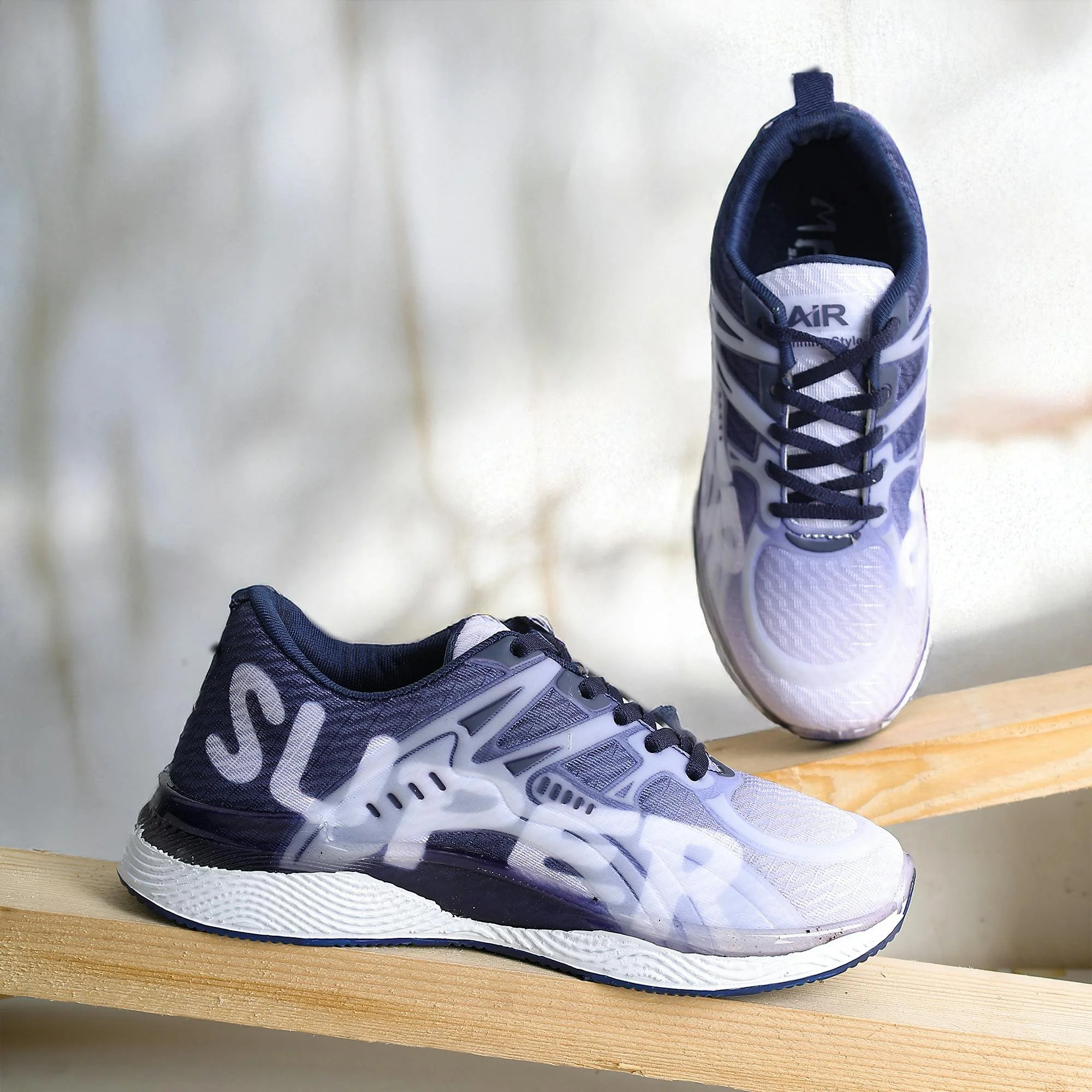
Photo Credit: Ishaan Aggarwal
This Was Never Supposed to Be Small
The museum exists because of Sonja Bata, a collector who understood, early on, that footwear wasn’t trivial.
It was cultural evidence. What began as a personal collection evolved into one of the most comprehensive archives of footwear in the world, now spanning nearly 15,000 artifacts. This is anthropology, fashion, politics and design — intersecting in one place.
And yet, the way we talk about it hasn’t caught up to what it actually is.
Canada Builds Institutions. It Struggles to Build Gravity.
We’re very good at creating thoughtful, credible, well-curated spaces. We’re less effective at turning them into cultural forces. I know. That’s a very bold statement. But we have to push ourselves to make these institutions worth fighting for, salivating over what they have to offer us and making them part of culture worth appreciating.
Compare our world to how institutions like the Metropolitan Museum of Art operate. Their exhibitions don’t just open. They have this dominating force to salivate for big wins upon arrival. They arrive. They generate headlines, conversations and cultural participation.
Truthfully, anyone can do. So, it has nothing to do with what is better work. But framing. In Canada, the instinct is often to let the work speak for itself. But in 2026, work that speaks quietly doesn’t travel far.
Calling the Bata Shoe Museum a “hidden gem” feels polite. It’s also misleading.
It’s not hidden. It’s on Bloor Street. It’s accessible. It’s established.
What it lacks is cultural momentum. And quite frankly, a little bit of polishing is needed to even classify it as a “gem.”
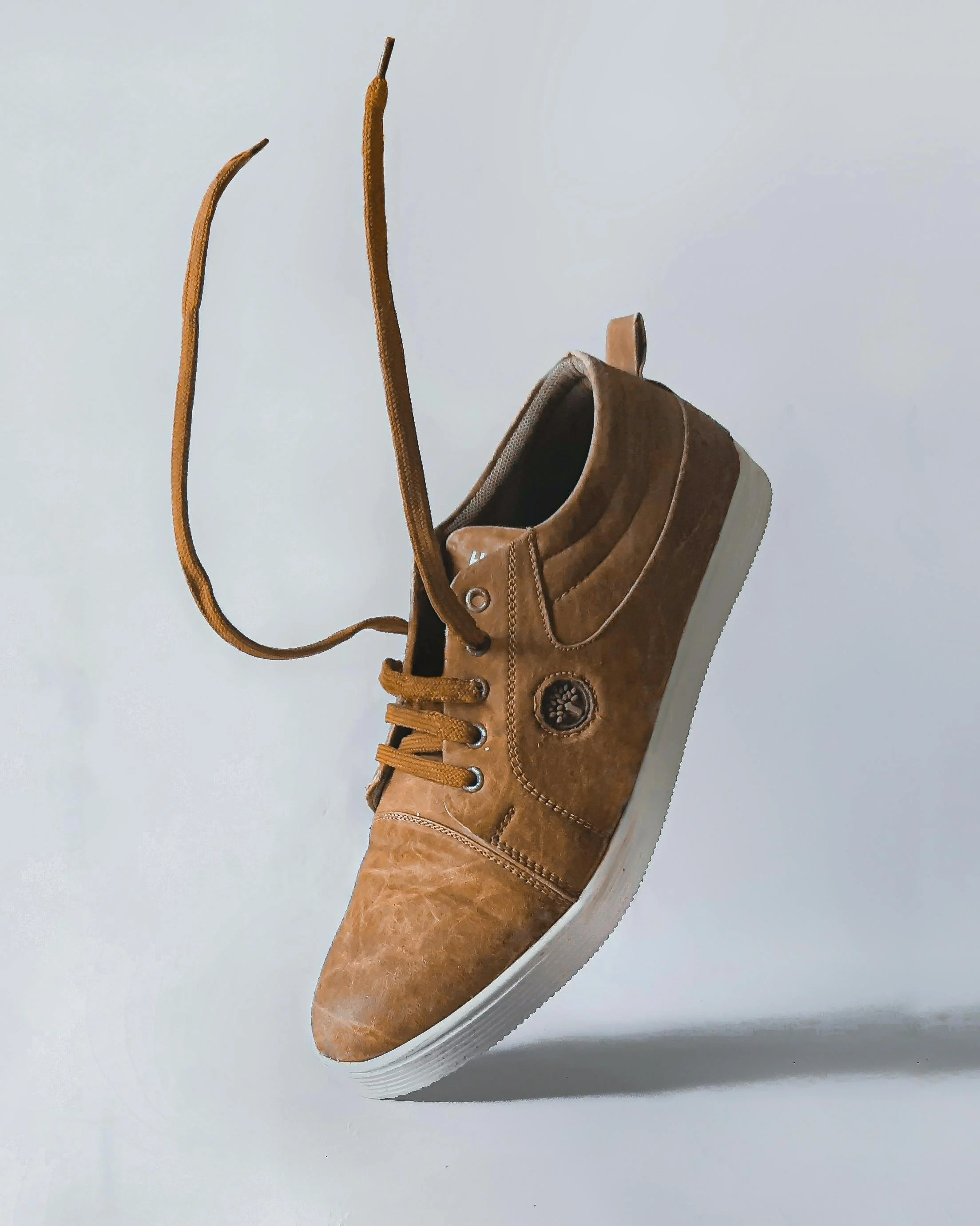
////o=isooss
This Is Bigger Than Footwear
If anything, the museum has one of the most accessible entry points into culture imaginable.
Everyone understands shoes. Everyone has a relationship with them. Think: fashion, function, status and even survival.
Which makes this one of the rare institutions that can bridge academic and mainstream audiences, connect history to current cultureand translate complex ideas into something immediately tangible. I really do believe that the Bata Shoe hsd potential to be a media resource for so many people.
So Why Doesn’t It Feel Like One?
Because cultural relevance doesn’t come from collections alone.
It comes from how those collections are framed, distributed and inserted into conversation.
Right now, the Bata Shoe Museum excels at preservation. But preservation isn’t the same as participation. We need to push ourselves. ree r
And in a culture driven by visibility, participation is what keeps institutions alive in public consciousness.
There’s an opportunity here. The museum could easily sit at the centre of national conversations around fashion and identity, global storytelling tied to culture and design and even the kind of large-scale cultural moments Canada keeps insisting it doesn’t need
Don’t get me wrong. We don’t need to change everything. But by changing how it shows up.
The foundation is already built.
What’s missing is the system around it — the storytelling, the amplification, the strategy.
And That’s Where Things Get Interesting
Because once you see the gap, it’s hard to unsee it.
This isn’t about whether the Bata Shoe Museum is “good enough.” It’s about whether Canada is doing enough with something that already is. So let’s ask ourselves the question. If a museum can hold 4,500 years of human history and still feel like a side note in its own city: is the issue awareness, or are we still underestimating the power of how culture is positioned?